
The food crisis in the Gaza Strip has resurfaced with the outbreak of the US-Israeli aggression against Iran, bringing back painful memories and exacerbating the humanitarian crisis, along with growing talk of a return to starvation tactics and reduced imports. Residents of the Strip and humanitarian organizations fear that tightened restrictions on crossings and reduced aid deliveries will worsen living conditions and bring back the threat of famine, which people experienced firsthand during previous phases of the war on Gaza. According to official field reports and humanitarian sources, recent days have witnessed a significant decrease in the number of trucks carrying food and fuel entering Gaza, following the tightening of restrictions at the main crossings, most notably the Kerem Abu Salem crossing, which is the primary commercial gateway for goods entering the Strip. Meanwhile, the Rafah crossing remains completely closed, severely restricting the entry of humanitarian aid and the exit of the sick and wounded for treatment outside the Gaza Strip. Markets Suffer and Crises Mount Humanitarian workers confirm that the reduced entry of goods is rapidly impacting local markets, with prices of basic food items, particularly flour, rice, and oil, rising significantly, coinciding with a decrease in fuel and cooking gas supplies. Merchants in Gaza say that some goods are gradually disappearing from the markets, while residents are forced to purchase limited quantities of food due to soaring prices and diminished purchasing power. Aid organizations estimate that more than two million Palestinians living in the Gaza Strip rely to varying degrees on humanitarian aid to meet their daily food needs, meaning that any reduction in the flow of aid or basic goods directly impacts the humanitarian situation. These organizations warned that the continuation of the current restrictions could push the Gaza Strip back into famine-like conditions, especially given the deteriorating economic situation and rising unemployment and poverty rates. In the same vein, bakeries in Gaza are facing the risk of closure due to shortages of flour and fuel, which could lead to a severe bread crisis in the near future. Sources say that the available flour stocks in some areas are only sufficient for a few days, while the majority of families in the Gaza Strip rely on bread as a staple food. The fuel shortage threatens to disrupt vital essential services, as hospitals, desalination plants, and sewage facilities depend on fuel to operate generators during the ongoing power outages. Experts warn that the shutdown of these facilities could lead to a further deterioration in health and environmental conditions and increase the risk of disease outbreaks, particularly in densely populated areas and shelters. Observers believe that the military escalation linked to the war with Iran has diverted much of the international and media attention toward the regional confrontation, leading to a decline in focus on the humanitarian crisis in Gaza. They believe that the international community’s preoccupation with military developments in the region has weakened political pressure to facilitate the entry of humanitarian aid into the Gaza Strip.
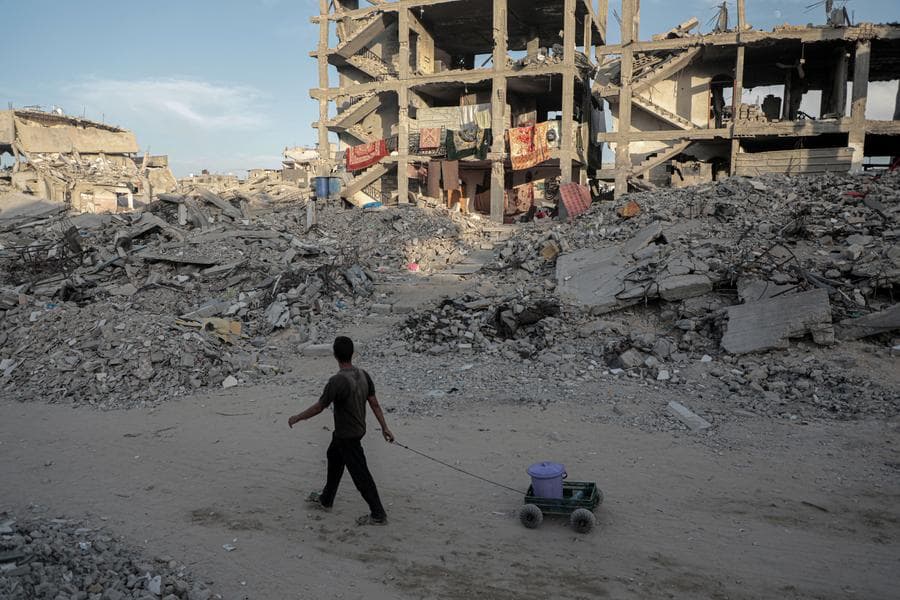
Renewed Israeli siege: Famine looms in Gaza and more crises are on the way
١٦ مارس ٢٠٢٦
٥٨ مشاهدة
5 دقائق قراءة
كن أول من يعلم!
اشترك في قنواتنا على وسائل التواصل الاجتماعي لتصلك أهم وأحدث أخبار تهامة واليمن العاجلة فور حدوثها.
التعليقات (0)