
أعلنت الحكومة الأسترالية حزمة جديدة من الإجراءات لتشديد قواعد الهجرة المؤقتة، تتضمن منع معظم الطلاب الأجانب من اصطحاب أزواجهم وأطفالهم خلال فترة الدراسة، إلى جانب إدخال تعديلات على تأشيرات العمل والعطلات، في خطوة تستهدف خفض مستويات الهجرة إلى البلاد.
وقال وزير الشؤون الداخلية الأسترالي توني بيرك، اليوم (الخميس)، إن الإجراءات الجديدة ستسهم في خفض صافي الهجرة السنوية إلى نحو 225 ألف شخص بحلول عام 2028، مقارنة بنحو 300 ألف حالياً، وهو مستوى يقترب من معدلات ما قبل جائحة كورونا.
وتأتي هذه الخطوة في وقت يتزايد فيه الجدل داخل أستراليا بشأن ارتفاع معدلات الهجرة، فيما أصبحت تكاليف المعيشة والهجرة من أبرز القضايا التي تحظى باهتمام الناخبين في استطلاعات الرأي الأخيرة.
وبموجب القواعد الجديدة، لن يُسمح في معظم تأشيرات الطلاب بإضافة أفراد الأسرة كمرافقين، مع استثناءات محددة لطلاب من بعض دول جزر المحيط الهادئ وجنوب شرق آسيا.
وكان بإمكان أزواج وشركاء الطلاب الدوليين في السابق مرافقة الطلاب والعمل في أستراليا، مع اختلاف عدد ساعات العمل المسموح بها وفقاً للبرنامج الدراسي الذي يلتحق به الطالب.
كما ستُفرض قيود على تجديد تأشيرات الطلاب، إذ سيُطلب من الطلاب الراغبين في التجديد الانتقال إلى مستوى أعلى من المؤهلات الدراسية.
وتشمل الإصلاحات أيضاً جميع تأشيرات الزيارة، التي ستتضمن شرطاً يمنع حاملها من البقاء في أستراليا أثناء التقدم للحصول على فئة أخرى من التأشيرات، مثل تأشيرة الشريك.
وفي إطار تشديد قواعد تأشيرات العمل والعطلات، تعتزم الحكومة تطبيق نظام قرعة للمسافرين الشباب، أو ما يُعرف بـ"الرحالة"، الراغبين في تمديد تأشيرات العمل والعطلات الخاصة بهم.
وتستهدف هذه الخطوة تنظيم أعداد المتقدمين للحصول على تمديدات التأشيرات ضمن برنامج العمل والعطلات.
وتزامنت الإجراءات الجديدة مع تصاعد الجدل السياسي حول الهجرة، بعد أن أعلن حزب "وان نيشن" اليميني المتشدد هذا الأسبوع عزمه خفض عدد المهاجرين المؤقتين بنحو 750 ألف شخص خلال ثلاث سنوات، بهدف منح الأستراليين، بحسب الحزب، "مساحة للتنفس".
ونفى وزير الشؤون الداخلية توني بيرك، أن تكون الإجراءات الحكومية الجديدة مدفوعة بصعود الحزب أو بالتطورات السياسية الأخيرة.
وقال بيرك للصحفيين إن الاعتقاد بأن الحكومة أعدت هذه الإجراءات حديثاً استجابة للمناخ السياسي "خاطئ بشكل واضح"، مؤكداً أن العمل على الإصلاحات لم يكن مرتبطاً بالتطورات السياسية الراهنة.
وشهدت أستراليا قفزة كبيرة في معدلات الهجرة بعد إعادة فتح حدودها في فبراير 2022، عقب نحو عامين من القيود المرتبطة بجائحة كوفيد-19.
وكان الطلاب الدوليون والمسافرون ضمن برامج العمل والعطلات والعمال المؤقتون من أبرز محركات الزيادة في أعداد الوافدين.
لكن معدلات الهجرة بدأت في التراجع خلال العامين الماضيين. وبلغ صافي الهجرة الخارجية نحو 306 آلاف شخص في السنة المنتهية في 30 يونيو 2025، بانخفاض كبير عن ذروة بلغت نحو 518 ألفاً في عام 2023.
وشكل الطلاب الدوليون أكثر من نصف صافي الهجرة المسجل خلال السنة المنتهية في يونيو 2025.
وعلى الرغم من تركيز الحكومة على الطلاب الأجانب ضمن جهود خفض الهجرة، يمثل قطاع التعليم الدولي مصدراً اقتصادياً مهماً لأستراليا.
فقد ساهم التعليم الدولي بنحو 53.6 مليار دولار أسترالي في الاقتصاد الأسترالي خلال السنة المنتهية في يونيو 2025، بما يعادل نحو 38 مليار دولار أمريكي، ليصبح رابع أكبر صادرات البلاد.
وفي إطار تشديد شروط الهجرة المرتبطة بالتعليم، رفعت أستراليا رسوم طلبات تأشيرات الطلاب بنحو 300% خلال السنوات الأربع الماضية، لتصل إلى 2500 دولار أسترالي.
كما شددت السلطات متطلبات إتقان اللغة الإنجليزية والحد الأدنى من المدخرات المطلوبة لبعض المتقدمين للحصول على تأشيرات الخريجين.
وتعكس الإجراءات الجديدة مساعي الحكومة الأسترالية إلى تحقيق توازن بين الحد من مستويات الهجرة، التي ارتفعت بصورة ملحوظة بعد الجائحة، والحفاظ في الوقت نفسه على قطاع التعليم الدولي الذي يمثل مورداً اقتصادياً رئيسياً للبلاد.
The Australian government has announced a new package of measures to tighten temporary immigration rules, which includes preventing most foreign students from bringing their spouses and children during their study period, along with introducing amendments to work and holiday visas, in a move aimed at reducing immigration levels to the country.
Australian Minister for Home Affairs Tony Burke stated today (Thursday) that the new measures will contribute to reducing net annual immigration to about 225,000 people by 2028, compared to around 300,000 currently, a level that is close to pre-COVID-19 pandemic rates.
This step comes at a time when the debate over rising immigration rates is intensifying within Australia, as the cost of living and immigration have become prominent issues of concern for voters in recent opinion polls.
Under the new rules, most student visas will not allow the addition of family members as dependents, with specific exceptions for students from certain Pacific Island and Southeast Asian countries.
Previously, spouses and partners of international students could accompany students and work in Australia, with varying permitted work hours depending on the student's study program.
Restrictions will also be imposed on renewing student visas, as students wishing to renew will be required to move to a higher level of educational qualifications.
The reforms also include all visitor visas, which will entail a condition preventing the holder from staying in Australia while applying for another visa category, such as a partner visa.
As part of tightening work and holiday visa rules, the government plans to implement a lottery system for young travelers, or what is known as "backpackers," wishing to extend their work and holiday visas.
This step aims to regulate the number of applicants seeking extensions under the work and holiday program.
The new measures coincide with a rise in political debate over immigration, after the far-right "One Nation" party announced this week its intention to reduce the number of temporary migrants by about 750,000 people over three years, aiming to give Australians, according to the party, "room to breathe."
Minister for Home Affairs Tony Burke denied that the new government measures were driven by the rise of the party or recent political developments.
Burke told reporters that the belief that the government prepared these measures recently in response to the political climate is "clearly wrong," emphasizing that the work on the reforms was not linked to current political developments.
Australia experienced a significant surge in immigration rates after reopening its borders in February 2022, following nearly two years of COVID-19-related restrictions.
International students, travelers under work and holiday programs, and temporary workers were among the main drivers of the increase in arrivals.
However, immigration rates have begun to decline over the past two years. Net overseas immigration reached about 306,000 people in the year ending June 30, 2025, a significant drop from a peak of around 518,000 in 2023.
International students accounted for more than half of the net immigration recorded during the year ending June 2025.
Despite the government's focus on foreign students as part of efforts to reduce immigration, the international education sector represents an important economic source for Australia.
International education contributed approximately AUD 53.6 billion to the Australian economy during the year ending June 2025, equivalent to about USD 38 billion, making it the fourth largest export of the country.
As part of tightening immigration conditions related to education, Australia has raised student visa application fees by about 300% over the past four years, reaching AUD 2,500.
The authorities have also tightened English language proficiency requirements and the minimum savings required for some applicants seeking graduate visas.
The new measures reflect the Australian government's efforts to achieve a balance between reducing immigration levels, which have risen significantly post-pandemic, while simultaneously maintaining the international education sector, which is a key economic resource for the country.
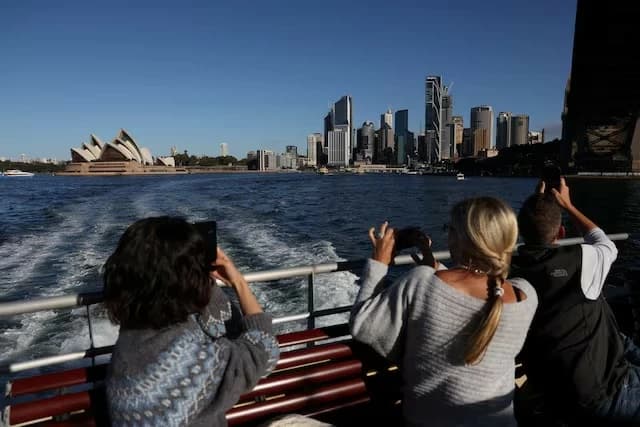
إجراءات جديدة للحد من الهجرة في أستراليا وسط جدل سياسي متصاعد
١٧ سبتمبر ٢٠٢٦
١٣ مشاهدة
5 دقائق قراءة
كن أول من يعلم!
اشترك في قنواتنا على وسائل التواصل الاجتماعي لتصلك أهم وأحدث أخبار تهامة واليمن العاجلة فور حدوثها.
التعليقات (0)