
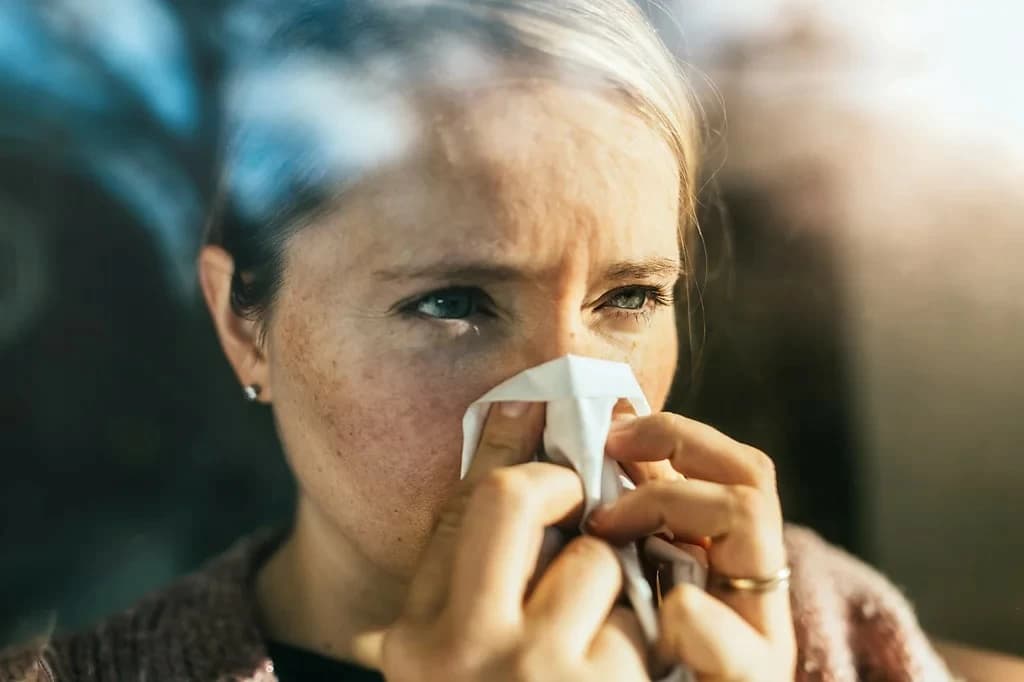
مع إشراقة الشمس وتفتح الأزهار، يبدأ موسم الربيع الذي ينتظره الكثيرون، لكنه في المقابل يجلب معاناة مزعجة لملايين الأشخاص حول العالم، ممن يعانون من سيلان الأنف، العطس، ودموع العينين.
وتشير التقديرات، بحسب شبكة BBC، إلى أن نحو 400 مليون شخص عالمياً يعانون من Allergic Rhinitis أو التهاب الأنف التحسسي، وهي حالة تنتج عن تهيّج الممرات الأنفية بسبب مسببات الحساسية المحمولة في الهواء مثل حبوب اللقاح، وعندما تحدث هذه الأعراض بشكل موسمي، تُعرف باسم حمى القش أو الحساسية الموسمية.
الأمر لا يتوقف عند هذا الحد، إذ تشير الأدلة إلى تزايد أعداد المصابين وشدة الأعراض، ويرتبط ذلك بشكل وثيق بتأثيرات التغير المناخي التي تسهم في زيادة انتشار حبوب اللقاح وإطالة مواسمها.
ورغم هذا الانتشار الواسع، يؤكد خبراء الصحة أن المعاناة ليست حتمية، خصوصاً مع تطور العلاجات خلال السنوات الأخيرة وظهور إرشادات طبية أكثر دقة حول كيفية استخدامها بفعالية.
يقدم ستيفن دورهام، الأستاذ الفخري لأمراض الحساسية والجهاز التنفسي في إمبريال كوليدج لندن ومستشفى رويال برومبتون في المملكة المتحدة، 9 نصائح لتقليل أعراض الحساسية الموسمية، وهي كالتالي:
يفضل استخدام بخاخات الأنف التي تحتوي على الكورتيكوستيرويد أو مضادات الهيستامين، أو مزيج منهما، بدلاً من الأقراص الفموية. إذ تعمل هذه البخاخات مباشرة داخل الأنف، ما يجعلها أكثر تأثيراً في تقليل الاحتقان والعطس.
رغم فعاليتها المؤقتة، فإن استخدامها لفترات طويلة قد يؤدي إلى نتائج عكسية وزيادة الاحتقان، بل وقد يسبب اعتماداً عليها.
في حال استخدام الأقراص، يُنصح بالجيل الثاني مثل Cetirizine أو Loratadine، لأنها أقل تسبباً في النعاس وأكثر فعالية.
البدء باستخدام العلاج قبل موسم الحساسية بأسابيع يمنح نتائج أفضل مقارنة بالانتظار حتى ظهور الأعراض.
عدم الانتظام أو الاستخدام الخاطئ من أبرز أسباب ضعف فعالية العلاج، لذلك يجب الالتزام بالجرعات اليومية حتى في غياب الأعراض.
يجب توجيه البخاخ نحو جانب الأنف وليس إلى الخلف، مع إمالة الرأس قليلاً للأمام لضمان وصول الدواء إلى المكان الصحيح.
بدلاً من إسقاطها مباشرة على العين، يُفضل وضعها في الزاوية الداخلية مع إمالة الرأس، ما يساعد على توزيعها بشكل أفضل.
إغلاق النوافذ، ارتداء نظارات شمسية أو كمامة، والاستحمام بعد العودة من الخارج، كلها خطوات تقلل من التعرض لحبوب اللقاح.
إذا استمرت الأعراض رغم العلاج، فقد تكون الحالة أكثر تعقيداً مثل الربو، أو تحتاج إلى علاجات متقدمة مثل العلاج المناعي.
وفي النهاية، يشدد الخبراء على أن تجاهل الحساسية ليس الحل، إذ يمكن أن تؤثر سلباً على جودة الحياة والنوم وحتى الأداء الدراسي لدى الأطفال، ومع الالتزام بالعلاج الصحيح والإرشادات الوقائية، يمكن الاستمتاع بموسمي الربيع والصيف دون معاناة تذكر.
With the sunrise and the blooming of flowers, the spring season begins, which many eagerly await. However, it also brings annoying suffering to millions of people around the world who suffer from a runny nose, sneezing, and watery eyes.
Estimates, according to BBC, indicate that around 400 million people globally suffer from Allergic Rhinitis, a condition caused by irritation of the nasal passages due to airborne allergens such as pollen. When these symptoms occur seasonally, it is known as hay fever or seasonal allergies.
The issue does not stop there, as evidence suggests an increase in the number of sufferers and the severity of symptoms, closely linked to the effects of climate change that contribute to the increased spread of pollen and the lengthening of its seasons.
Despite this widespread prevalence, health experts affirm that suffering is not inevitable, especially with the development of treatments in recent years and the emergence of more precise medical guidelines on how to use them effectively.
Stephen Durham, Emeritus Professor of Allergy and Respiratory Diseases at Imperial College London and Royal Brompton Hospital in the UK, offers 9 tips to reduce seasonal allergy symptoms, as follows:
It is preferable to use nasal sprays containing corticosteroids or antihistamines, or a combination of both, instead of oral tablets. These sprays work directly inside the nose, making them more effective in reducing congestion and sneezing.
Despite their temporary effectiveness, long-term use can lead to rebound effects and increased congestion, and may even cause dependence on them.
If using tablets, the second generation such as Cetirizine or Loratadine is recommended, as they are less likely to cause drowsiness and are more effective.
Beginning treatment weeks before the allergy season yields better results compared to waiting for symptoms to appear.
Irregularity or incorrect use is one of the main reasons for reduced treatment effectiveness, so daily doses should be adhered to even in the absence of symptoms.
The spray should be directed towards the side of the nose, not backward, with the head tilted slightly forward to ensure the medication reaches the right place.
Instead of dropping them directly onto the eye, it is preferable to place them in the inner corner while tilting the head, which helps distribute them better.
Closing windows, wearing sunglasses or a mask, and showering after returning from outside are all steps that reduce exposure to pollen.
If symptoms persist despite treatment, the condition may be more complicated, such as asthma, or may require advanced treatments like immunotherapy.
In conclusion, experts emphasize that ignoring allergies is not the solution, as they can negatively affect quality of life, sleep, and even academic performance in children. With adherence to the correct treatment and preventive guidelines, one can enjoy the spring and summer seasons without significant suffering.
9 نصائح علمية تقلل معاناتك من حساسية الربيع
٢٩ أبريل ٢٠٢٦
٢ مشاهدة
5 دقائق قراءة
كن أول من يعلم!
اشترك في قنواتنا على وسائل التواصل الاجتماعي لتصلك أهم وأحدث أخبار تهامة واليمن العاجلة فور حدوثها.
التعليقات (0)